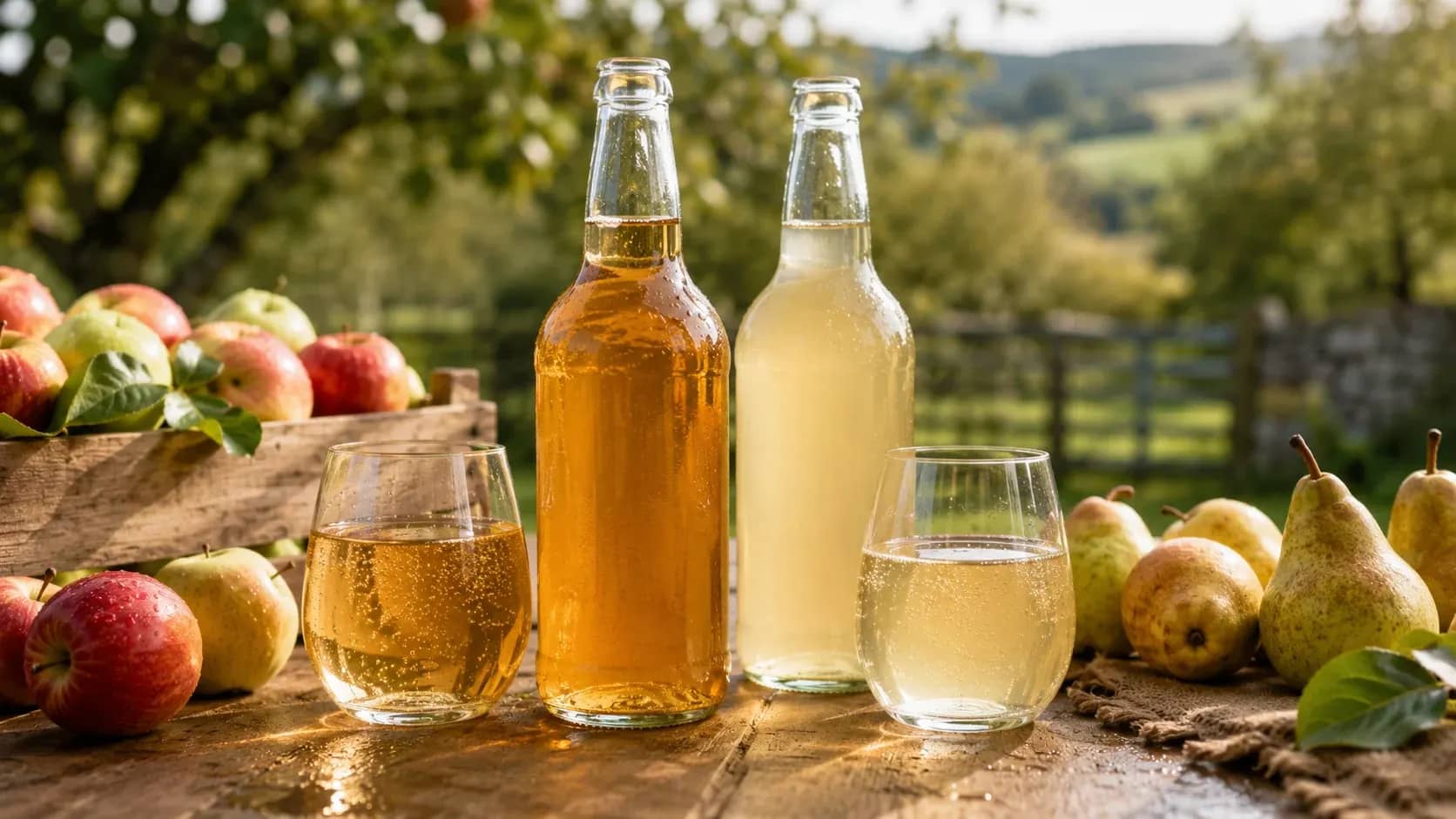
Traditional Welsh cider and traditional Welsh perry are among a growing number of Welsh products benefiting from protected geographical status, helping to safeguard centuries-old traditions while promoting Welsh food and drink to consumers at home and abroad.
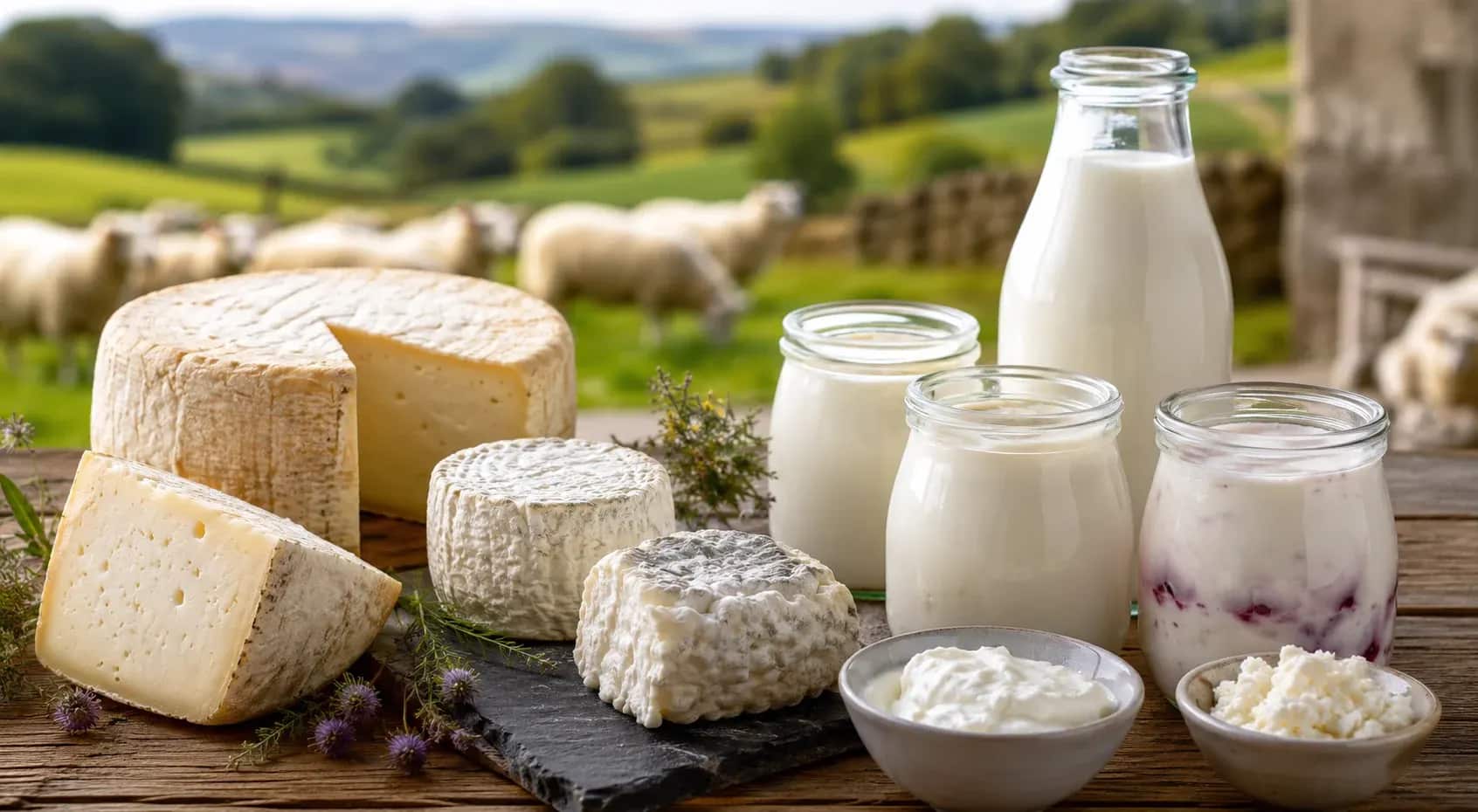
The protected status means that only cider and perry produced in Wales using locally grown fruit and traditional methods can be sold under those names. The designation places the drinks alongside some of the country's most famous products, including Welsh lamb, Welsh beef, Welsh laverbread and traditional Welsh Caerphilly cheese.
In March 2025, the family of protected Welsh products grew further when Dovey Native Botanical Gin was registered under the spirit-drinks Geographical Indication (GI) scheme, while Pembrokeshire Native Oysters, Pembrokeshire Rock Oysters and Welsh Heather Honey / Mêl Grug Cymru received Protected Geographical Indication (PGI) status. These registrations brought the total number of UK GIs to 97 and further strengthened Wales’ reputation for distinctive regional produce.
Preserving Welsh traditions
Geographical Indication schemes are designed to protect foods and drinks that have a strong connection to a particular region and traditional methods of production.
The system includes Protected Designation of Origin (PDO), Protected Geographical Indication (PGI) and Traditional Speciality Guaranteed (TSG), with products required to meet strict specifications to qualify. Existing Welsh products automatically transferred into the UK's post-Brexit GI schemes, which continue to recognise the importance of provenance and authenticity.
Traditional Welsh perry has particularly deep roots. Perry production in Wales dates back centuries, although the industry declined dramatically during the twentieth century before experiencing a revival in recent decades. Today, around 20 perry makers operate in Wales, using locally grown pears to create drinks ranging from crisp and dry to sweet and fruity.
Traditional Welsh cider has experienced a similar resurgence. Small-scale production on Welsh farms largely disappeared during the twentieth century, but the early 2000s saw renewed interest from artisan producers and enthusiasts, helping revive historic orchards and traditional methods.
Why protected status matters
Supporters say geographical indications provide more than simply a badge on a label.
Protected status guarantees authenticity, helps prevent imitation and allows consumers to identify genuine regional products. Government ministers have described the system as a way to celebrate craftsmanship and heritage while supporting growth for local businesses. Producers have also argued that recognition helps raise awareness and attract new customers.
Research has suggested that products carrying geographical indications often command premium prices, with a European Commission study finding GI products achieved significantly higher values than comparable non-protected goods. Welsh lamb exports have also been credited with benefiting from protected status.
A growing reputation for Welsh food
Wales now boasts a diverse collection of protected products, ranging from Anglesey sea salt and Carmarthen ham to Cambrian Mountains lamb and single malt Welsh whisky. Together, they tell the story of a country whose food traditions are closely tied to its landscape and communities.
For consumers, the growing list offers another reason to seek out Welsh produce. For producers, it represents recognition that quality, heritage and provenance remain increasingly valuable in a competitive market.