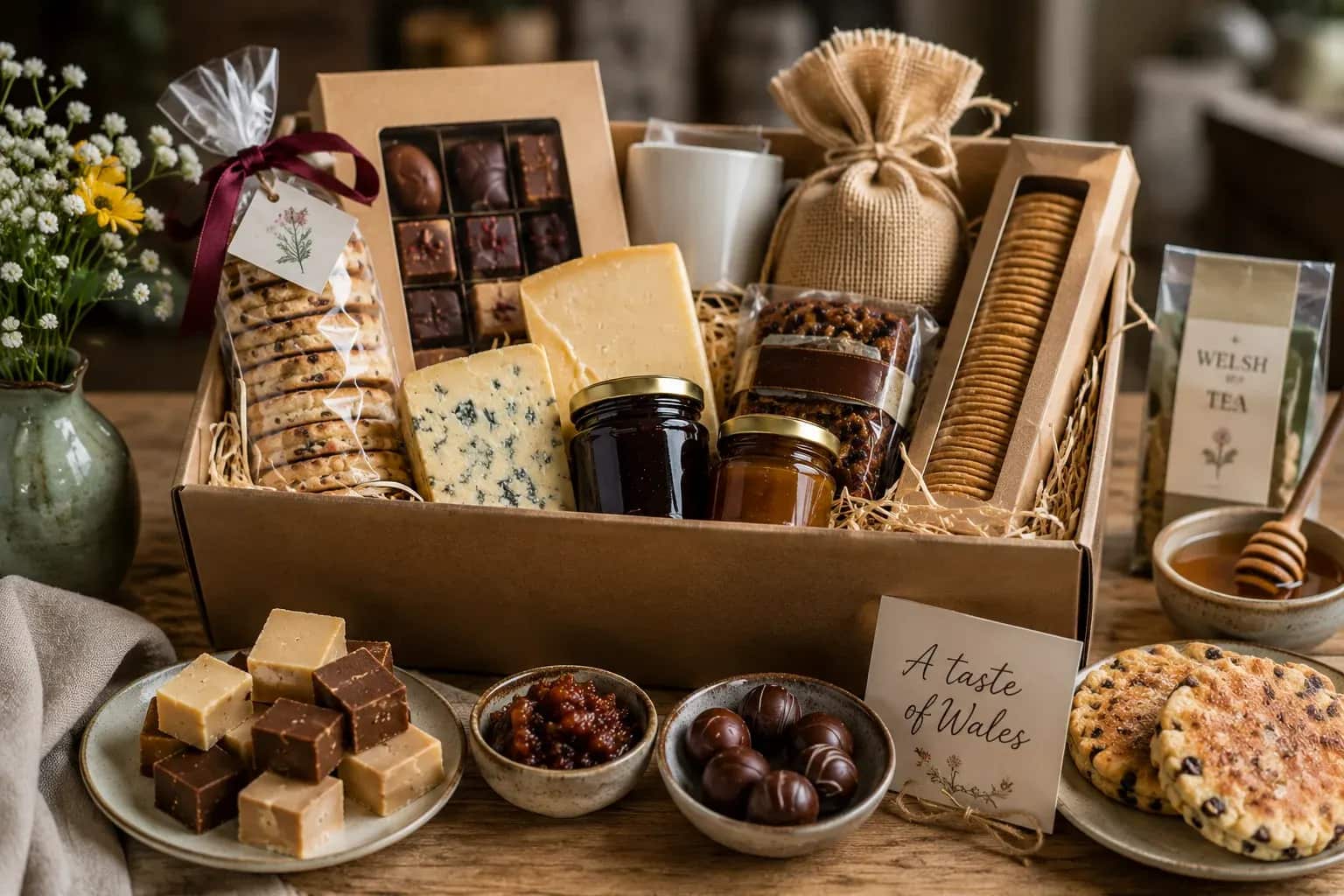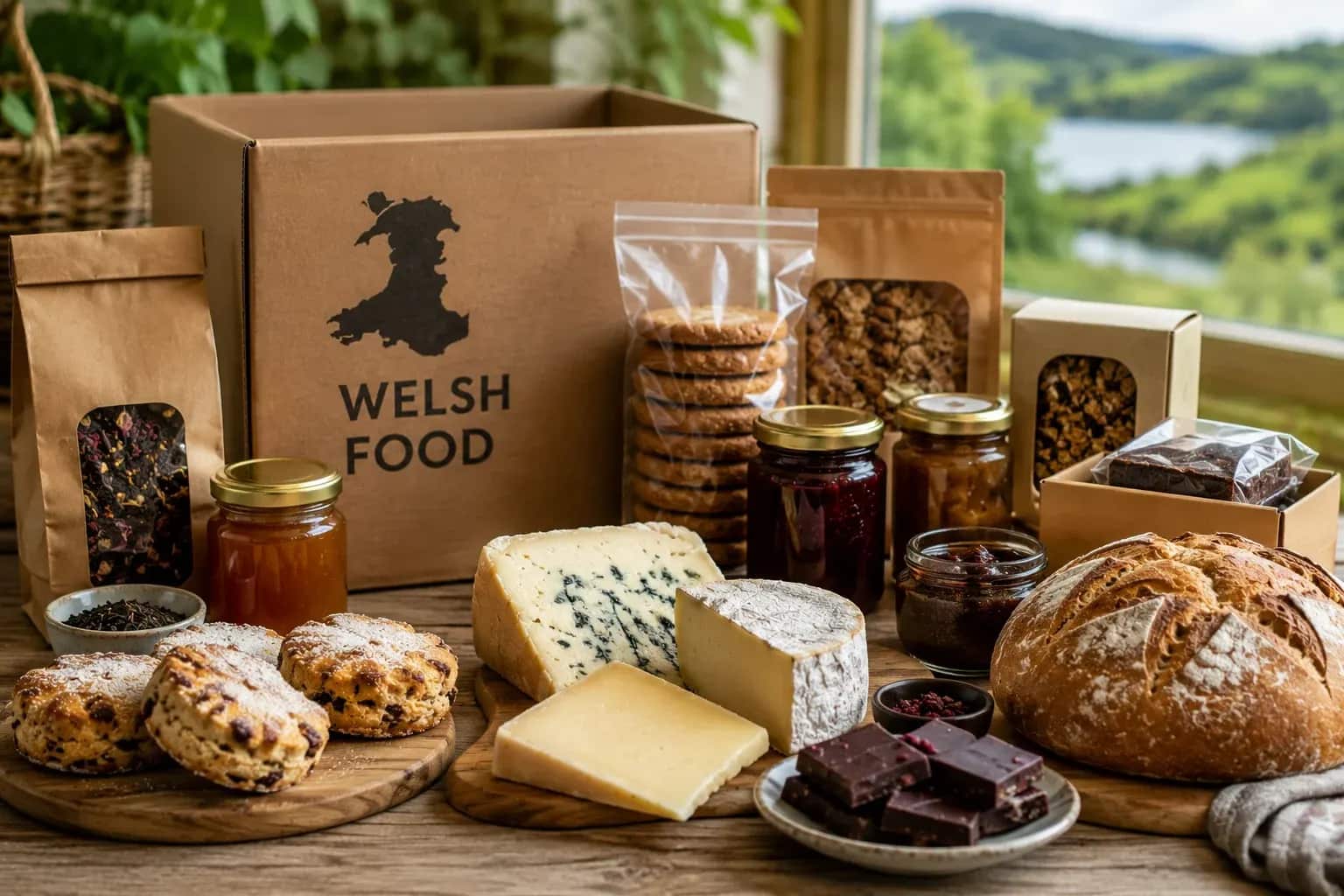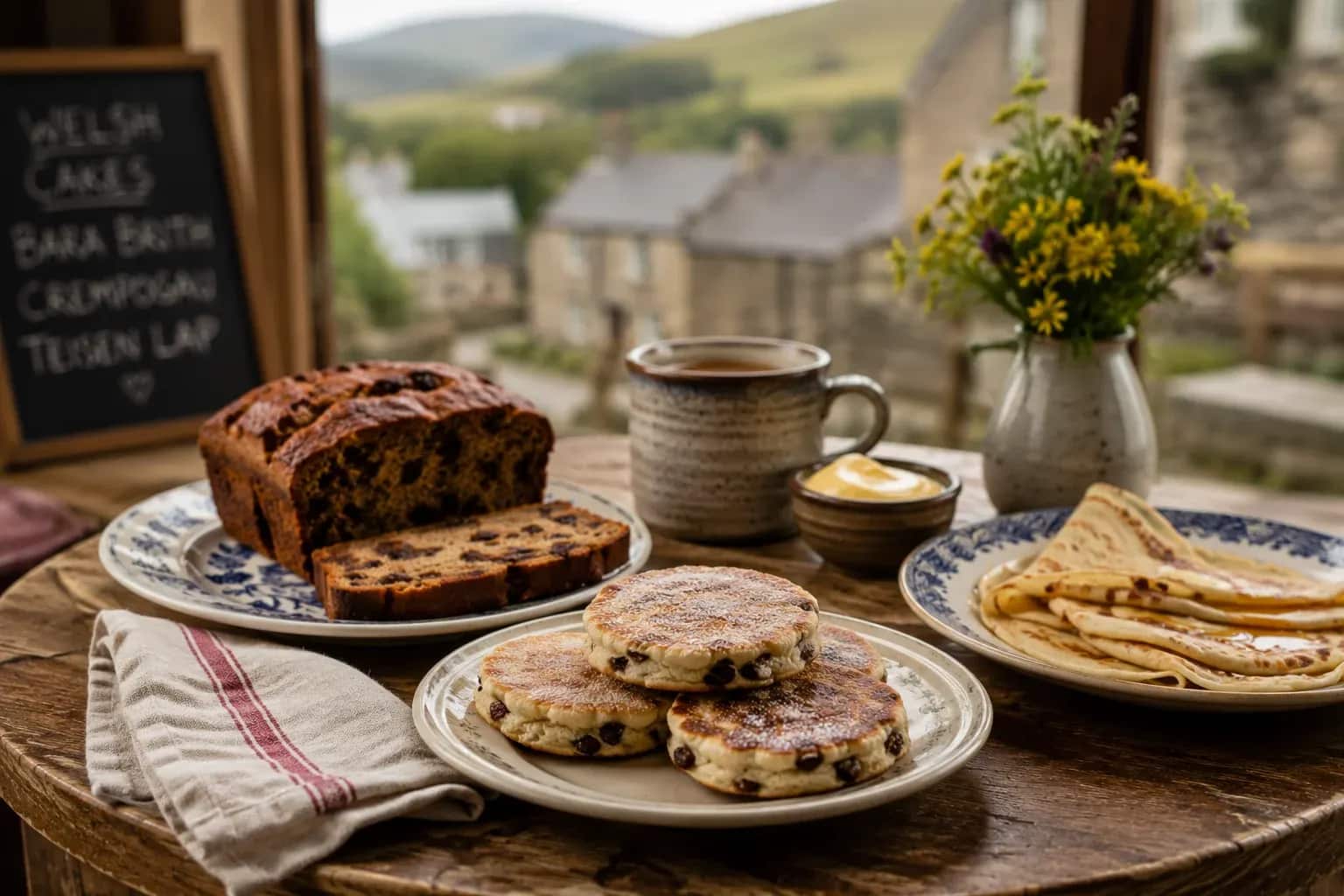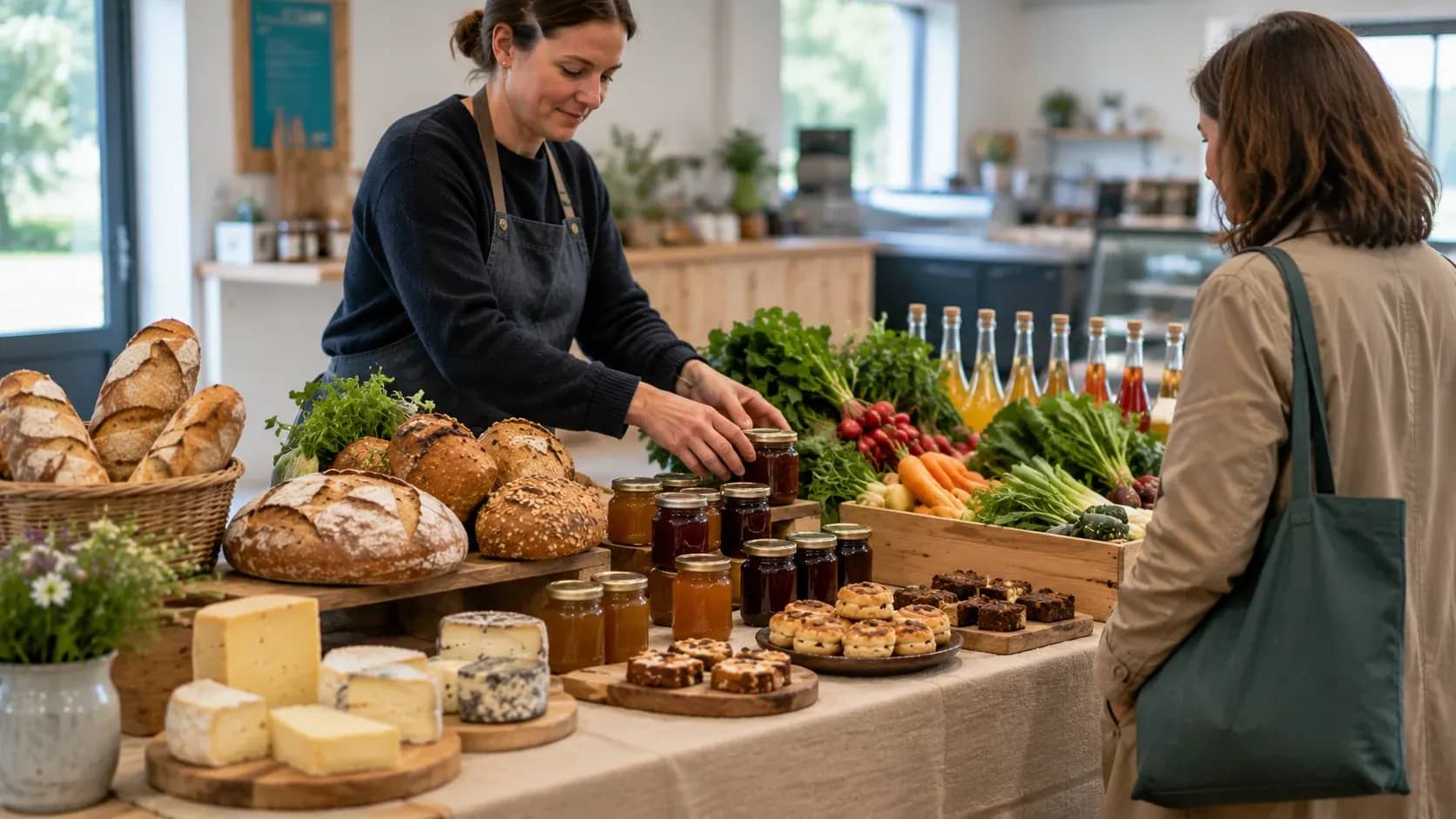
Perhaps more than anything else, Welsh food is defined by its ingredients.
The country’s landscape supports some of Britain’s finest livestock farming, producing lamb and beef recognised for their quality throughout the UK and internationally. Rich pastureland, plentiful rainfall and generations of farming knowledge have helped create products that carry internationally recognised Protected Geographical Indication (PGI) status.
Wales also enjoys an enviable coastline, providing fishermen with access to shellfish, crab, lobster, mussels, cockles and a variety of fresh fish landed at ports around the country. Coastal communities have long incorporated seafood into their local cuisines, particularly in west and north Wales.
Meanwhile, fertile farmland produces everything from potatoes and root vegetables to soft fruit, herbs and cereals. Welsh dairies manufacture award-winning milk, butter, yoghurt and cheeses, while artisan producers continue to develop premium products using local ingredients.
Rather than relying on imported specialities, Welsh cuisine has traditionally celebrated what grows, grazes or is harvested close to home.
What’s covered in this guide
Traditional food with a modern future
Welsh food reflects the seasons
Why Welsh food is gaining international recognition
Welsh meat, dairy and protected food products
Welsh Lamb (PGI)
Welsh Beef (PGI)
Welsh cheese
Dairy traditions
Protected food names
The foundations of Welsh cuisine
Welsh seafood and coastal traditions
Modern Welsh food producers
Where to find authentic Welsh food
Traditional food with a modern future
Although many people associate Welsh food solely with historic recipes, today’s food scene is far more dynamic.
Across Wales, independent food businesses are building on traditional foundations to create exciting new products. Artisan bakeries are reinventing classic recipes, cheesemakers are winning international awards, distilleries are producing globally recognised spirits and small producers are finding innovative ways to showcase local ingredients.
Government initiatives such as Food & Drink Wales, alongside regional food festivals, farmers’ markets and producer networks, have also helped raise the profile of Welsh food both within the UK and overseas.
Consumer demand has shifted too. More people are interested in where their food comes from, how it is produced and the stories behind the businesses that make it. Welsh producers are well placed to meet that demand thanks to their emphasis on provenance, sustainability and craftsmanship.
Welsh food reflects the seasons
One characteristic that continues to distinguish Welsh cuisine is its close relationship with the seasons.
Spring brings some of the country’s finest lamb alongside asparagus and fresh leafy vegetables. Summer offers berries, soft fruits and seafood landed around the Welsh coast. Autumn sees game, mushrooms and orchard produce take centre stage, while winter returns to hearty stews, root vegetables and comforting baked goods.
Many traditional recipes evolved specifically because they reflected what was available at different times of the year. Before refrigeration and global food supply chains became commonplace, preserving ingredients through baking, pickling, curing or slow cooking helped families make the most of seasonal abundance.
Even today, many of Wales’ leading restaurants, cafés and food producers continue to embrace seasonal cooking, sourcing ingredients locally wherever possible.
Why Welsh food is gaining international recognition
Over the past two decades, Welsh food has gained increasing recognition beyond Wales’ borders.
Protected status for products such as Welsh Lamb and Welsh Beef has helped reinforce their reputation for quality. Welsh cheeses regularly feature in international competitions, while craft distilleries and breweries have earned awards at prestigious global events.
Independent producers are also increasingly exporting products ranging from speciality chocolates and preserves to spirits and bakery goods.
Food tourism has contributed to this growing profile. Visitors are no longer drawn solely by Wales’ landscapes and castles; many now travel specifically to experience farmers’ markets, artisan producers, vineyards, breweries, seafood restaurants and food festivals celebrating local produce.
This combination of heritage, quality ingredients and innovation has helped establish Wales as one of Britain’s most exciting food destinations.
Welsh meat, dairy and protected food products
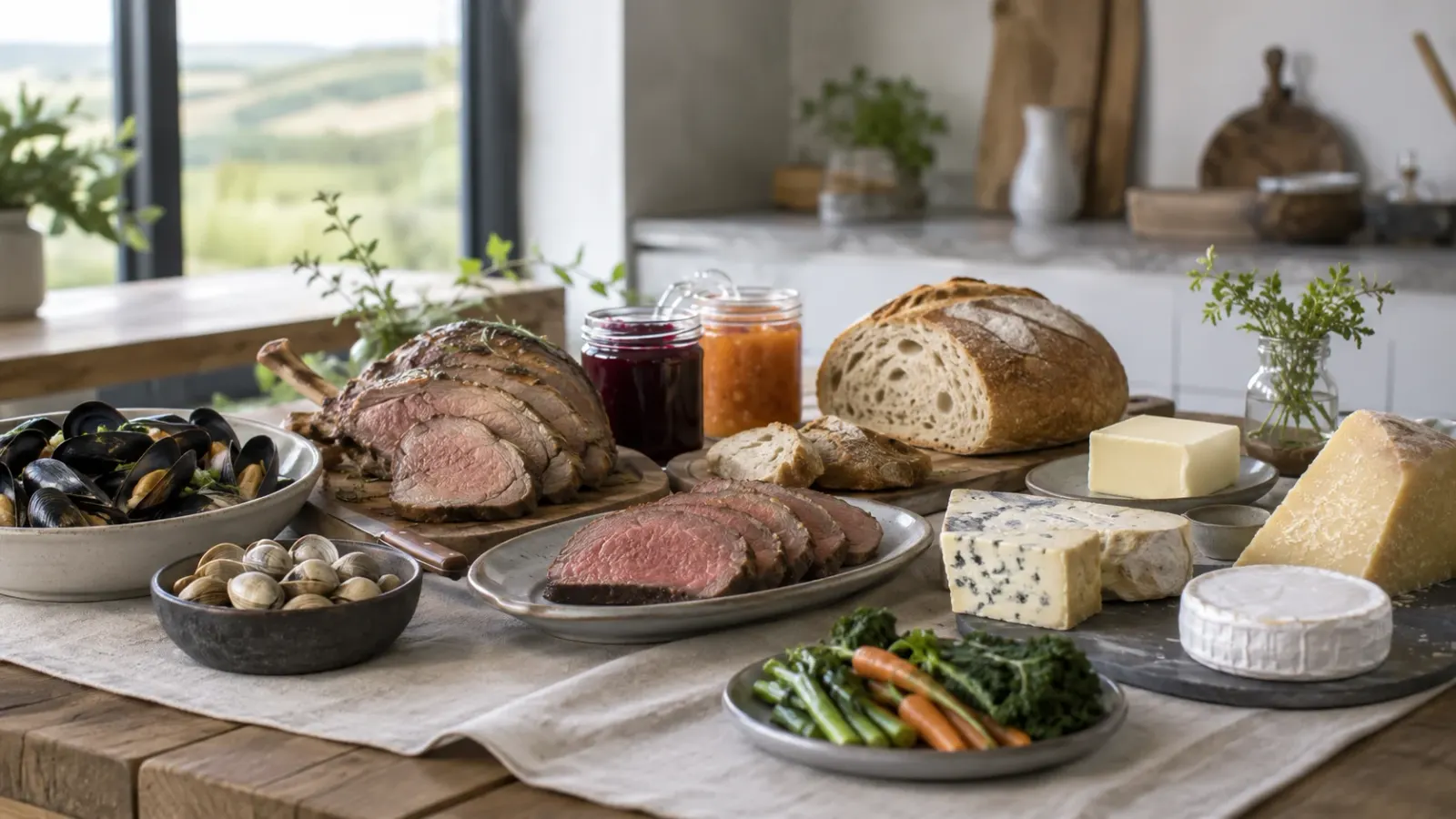
While traditional dishes tell the story of Welsh home cooking, the country’s ingredients are equally important to its culinary identity. Wales has earned an international reputation for high-quality meat, dairy products and baked goods, supported by generations of farming expertise and a strong commitment to local production.
Many of these products have become synonymous with Wales, while others enjoy legal protection recognising their unique origins and methods of production.
Welsh Lamb (PGI)
No ingredient has done more to establish Wales’ international culinary reputation than Welsh Lamb (Protected Geographical Indication).
Raised on the country’s hills, mountains and coastal pastures, Welsh lamb benefits from a combination of natural grazing, fresh air and generations of livestock farming expertise. These conditions contribute to the meat’s distinctive flavour and tenderness.
Protected Geographical Indication (PGI) status means that only lamb meeting strict production criteria and originating from Wales can be marketed as Welsh Lamb.
The designation provides assurance of authenticity while protecting producers from imitation products. It also recognises the close relationship between Wales’ landscape, farming traditions and the quality of its produce.
Welsh Lamb appears on restaurant menus across Britain and is exported to markets around the world, making it one of the country’s best-known food products.
Welsh Beef (PGI)
Alongside lamb, Welsh Beef (PGI) enjoys an outstanding reputation.
Produced from cattle born and reared in Wales according to strict quality standards, Welsh Beef is recognised for its flavour, marbling and consistency.
Like Welsh Lamb, Welsh Beef carries PGI status. It must come from fully traceable cattle born and reared in Wales and pass through HCC-approved abattoirs or processing sites.
Many farmers continue to use traditional grazing systems that allow cattle to mature naturally on grass-rich pasture, reflecting the country’s long-established livestock heritage.
Welsh cheese
Wales has become one of Britain’s most exciting cheese-producing nations.
Perhaps the best-known variety is Caerphilly, a crumbly cheese traditionally made in South Wales before becoming popular across Britain. Modern Caerphilly cheeses range from young, fresh varieties to mature versions with deeper, more complex flavours.
Alongside Caerphilly, Welsh cheesemakers now produce an impressive variety of soft, hard and blue cheeses using cow’s, sheep’s and goat’s milk.
Award-winning producers continue to gain recognition at competitions including the World Cheese Awards, demonstrating that Welsh cheese can compete with the very best from around the globe.
Many independent cheesemakers also work closely with local farms, reinforcing the connection between agriculture and food production.
Dairy traditions
The quality of Welsh dairy products extends well beyond cheese.
Butter, cream, yoghurt and milk produced in Wales have earned strong reputations thanks to high animal welfare standards, abundant pasture and family farming traditions.
These ingredients form the foundation of countless Welsh recipes, from baking and desserts to soups and sauces.
Increasingly, dairies are also developing premium products such as cultured butter, speciality yoghurts and farmhouse ice cream, helping diversify the sector while maintaining its focus on quality.
Protected food names
One of the strongest endorsements a food product can receive is legal recognition through a protected food name.
In the UK, these designations safeguard foods whose quality or reputation is linked to a particular geographical area or traditional production method.
Among Wales’ most significant protected products are:
These protections help preserve traditional farming practices while giving consumers confidence that the products they buy are genuinely Welsh.
Protected status also supports rural economies by allowing producers to differentiate themselves in domestic and international markets.
As consumer interest in provenance continues to grow, these designations have become increasingly valuable for both farmers and food businesses.
The foundations of Welsh cuisine
Although recipes often attract the most attention, it is the quality of Wales’ ingredients that underpins the country’s food culture.
Exceptional livestock, skilled dairy producers, traditional baking methods and a growing network of artisan businesses have combined to create products recognised far beyond Wales itself.
Whether enjoyed in traditional recipes or contemporary dishes, these ingredients continue to define Welsh food and provide the foundation for the country’s thriving modern food and drink sector.
Welsh seafood and coastal traditions
With more than 1,680 miles (2,700 kilometres) of coastline, it’s no surprise that seafood has played an important role in Welsh cuisine for centuries.
Fishing communities around Pembrokeshire, Cardigan Bay, the Llŷn Peninsula, Anglesey and the Gower Peninsula have traditionally relied on the sea for their livelihoods, supplying homes, restaurants and markets with fresh fish and shellfish.
Among the best-known Welsh seafood products are cockles, mussels, oysters, crab and lobster, alongside species such as sea bass, mackerel and hake landed around the coast.
Perhaps the most distinctive of all is laverbread – the seaweed delicacy discussed in our traditional Welsh food guide – which has become synonymous with Welsh coastal cooking and is often served alongside cockles as part of a traditional Welsh breakfast.
Today, seafood remains an important part of Wales’ food economy. Independent fishmongers, seafood restaurants and specialist producers continue to champion responsibly sourced Welsh seafood while introducing visitors to the diversity of the country’s coastal produce.
Want to explore this topic in more detail? Read our dedicated Welsh Seafood Guide, where we look at the species, fishing ports, seasonal availability and producers that make Wales one of Britain’s finest seafood destinations.
Modern Welsh food producers
While tradition remains central to Welsh cuisine, today’s food industry is continually evolving.
Across the country, independent producers are combining heritage recipes with modern ideas, creating products that celebrate Welsh ingredients while appealing to contemporary consumers.
Recent years have seen remarkable growth in artisan food businesses producing everything from cheeses and preserves to chocolates, baked goods, craft beer, spirits and speciality coffee.
Many businesses place a strong emphasis on provenance, sustainability and local sourcing, recognising that consumers increasingly want to understand where their food comes from and how it is made.
International awards have also helped raise the profile of Welsh producers. Cheesemakers regularly succeed at the World Cheese Awards, Welsh spirits have earned recognition at global competitions, while bakeries, chocolatiers and speciality food manufacturers continue to attract acclaim both within the UK and overseas.
Government initiatives such as Food & Drink Wales, alongside organisations including Cywain, have also helped support innovation, export growth and collaboration throughout the sector.
The result is a food landscape that respects its past while embracing new opportunities.
Where to find authentic Welsh food
One of the best ways to experience Welsh food is by visiting the people who produce it.
Across Wales you’ll find:
Independent farm shops selling local meat, dairy products and seasonal produce.
Artisan bakeries producing traditional Welsh cakes, bara brith and handcrafted breads.
Farmers’ markets showcasing regional producers.
Delicatessens specialising in Welsh cheeses, preserves and drinks.
Seafood retailers offering freshly landed Welsh fish and shellfish.
Food festivals celebrating local producers throughout the year.
Restaurants, cafés and pubs committed to serving seasonal Welsh ingredients.
Supporting independent producers not only helps local businesses but also offers the opportunity to discover products that may never reach supermarket shelves.
As Local Welsh Food grows, we’ll continue building our directory of producers, retailers and food experiences to help readers discover the very best Wales has to offer.
Final thoughts
Welsh food is about much more than a handful of famous dishes.
It tells the story of a country shaped by mountains, coastline, family farms and close-knit communities. From comforting bowls of cawl to freshly baked Welsh cakes, from internationally recognised lamb to innovative artisan producers, Welsh cuisine continues to evolve while remaining firmly rooted in its heritage.
Perhaps its greatest strength is authenticity. Rather than chasing culinary trends, Welsh food celebrates the quality of its ingredients, the skill of its producers and the traditions that have been passed down through generations.
Whether you’re visiting Wales for the first time, rediscovering familiar favourites or exploring local producers in your own area, there has never been a better time to experience the country’s remarkable food and drink.
Sources
The factual information in this guide has been compiled from authoritative sources, including:
Welsh Government – Food & Drink Wales
Visit Wales (Croeso Cymru)
Hybu Cig Cymru – Meat Promotion Wales
Protected Food Names Scheme (UK Government)
National Museum Wales
Cadw
The National Library of Wales
Food Standards Agency
Local Welsh Food reporting and producer interviews