When governments talk about food policy, agriculture is usually the obvious starting point.
Wales' new National Food Strategy takes a broader view.
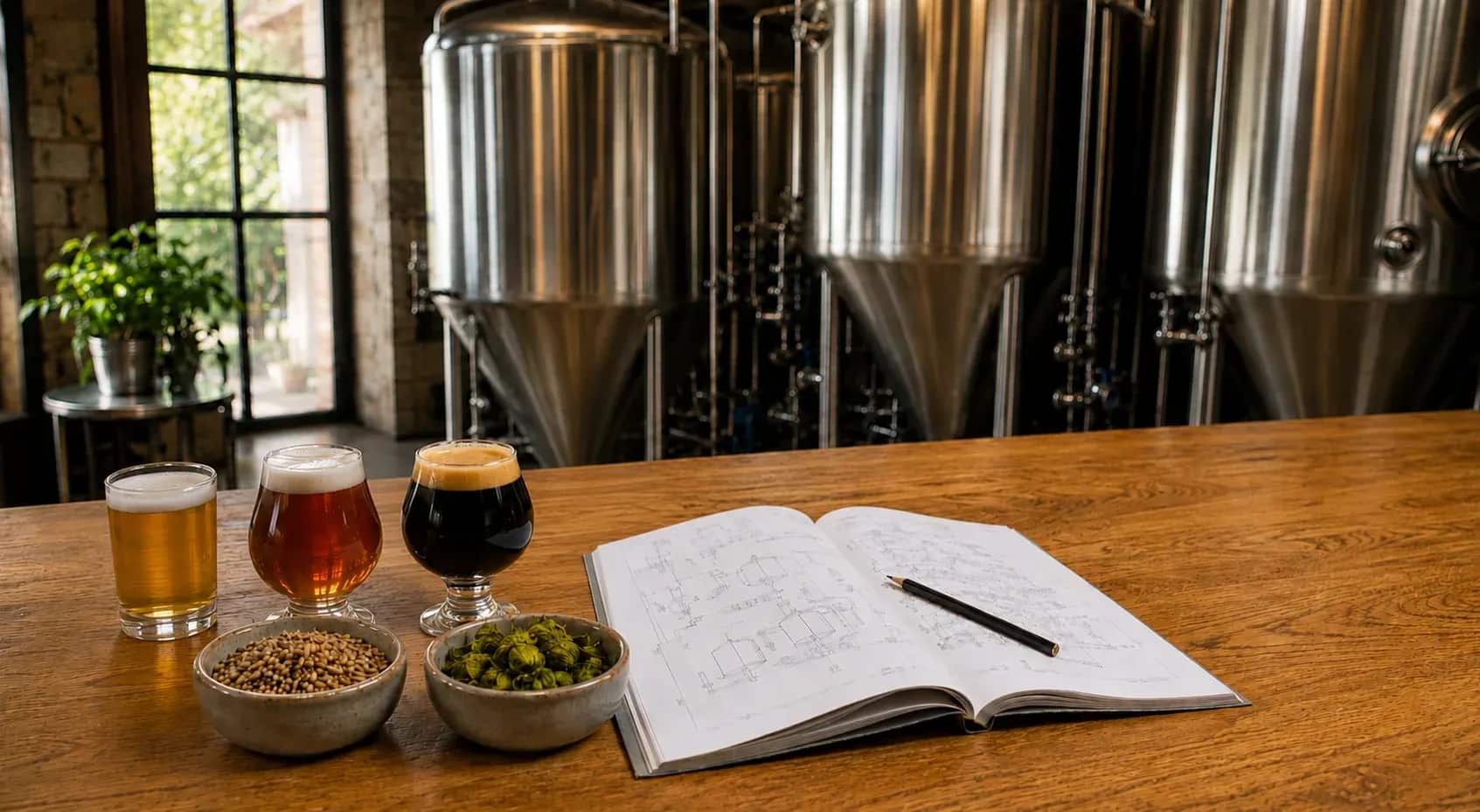
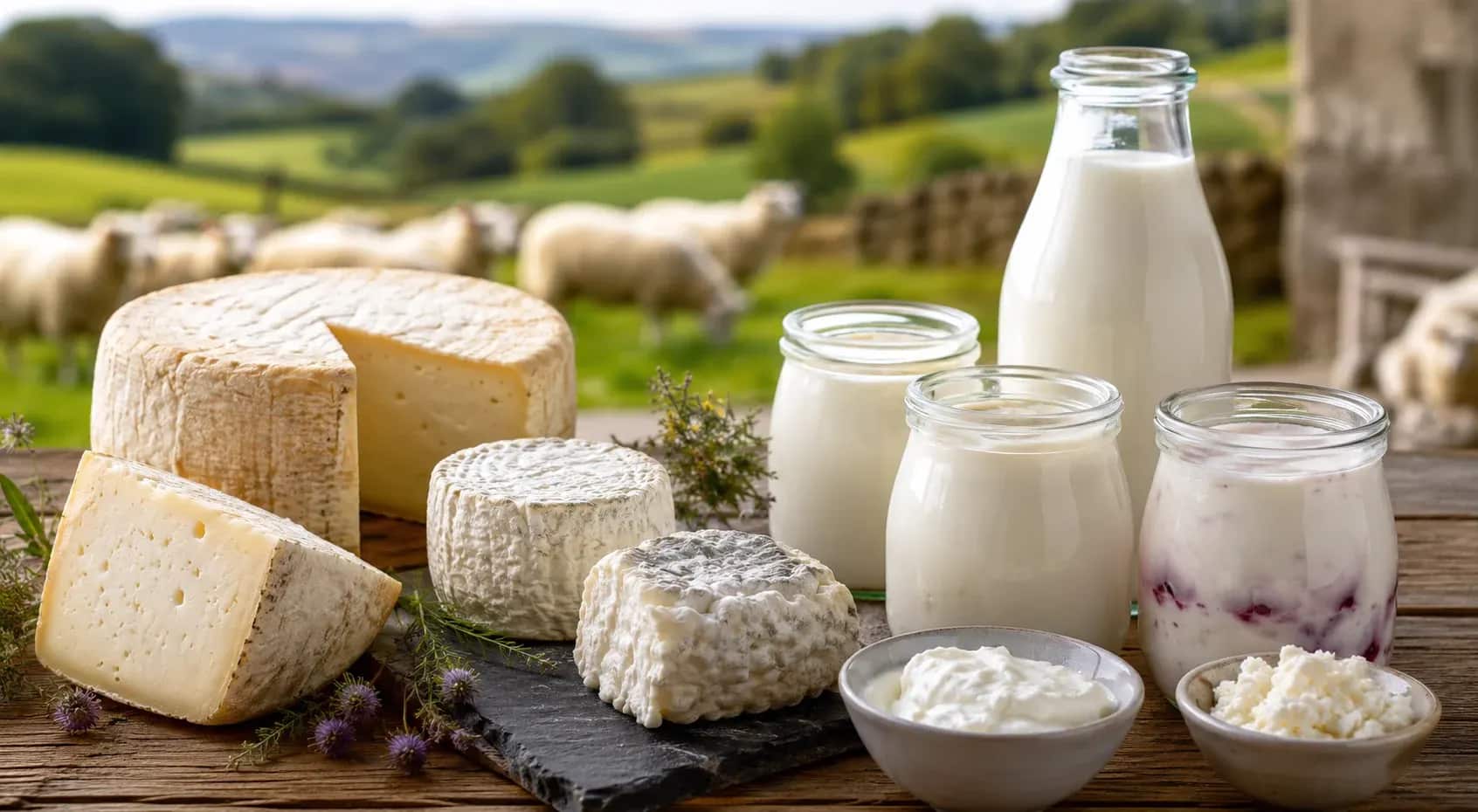
Announced at the Royal Welsh Show, the strategy sets out a whole-system approach that links food production with processing, retail, public procurement, education, health and the circular economy.
That matters because producing more Welsh food is only one part of building a stronger food system.
The food also needs to be processed, distributed, sold and ultimately eaten.
The strategy's approach is therefore concerned with what happens between the farm and the consumer as well as what happens on the farm itself.
Public procurement could be particularly important
For Welsh food businesses, public procurement could be one of the most consequential areas to watch.
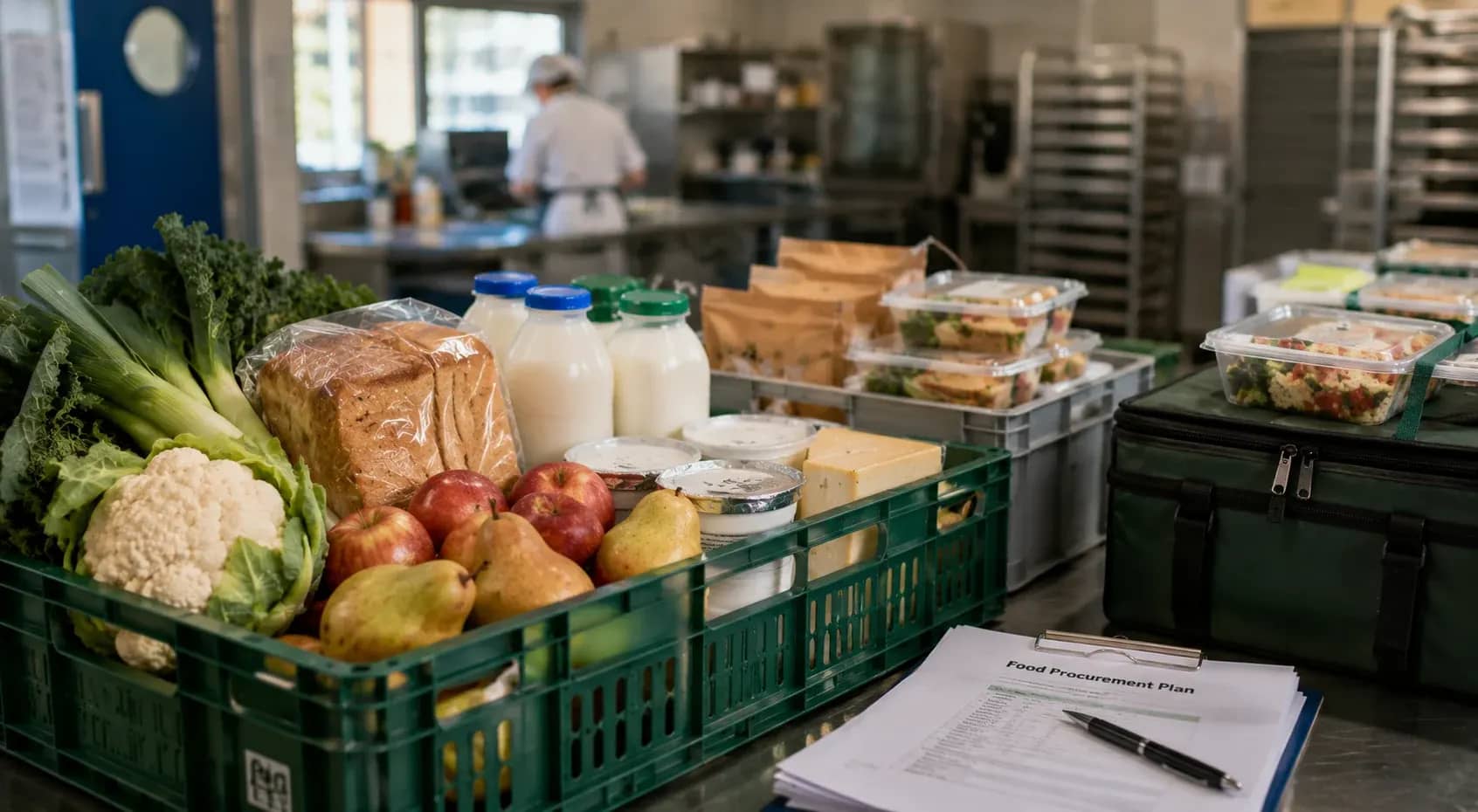
Schools, hospitals and other public institutions buy food on a large scale. If more Welsh produce can enter those supply chains, the potential market is considerably larger than individual consumers buying directly from producers.
The strategy aims to strengthen connections between farmers, manufacturers, retailers and public bodies and encourage greater use of Welsh produce within public-sector catering and procurement.
That does not mean every Welsh producer will suddenly be able to supply a hospital or school.
Public procurement comes with requirements around consistency, volume, food safety, pricing and logistics.
But improving the connections between producers and buyers could make it easier for Welsh businesses to identify and pursue those opportunities.
From local producer to larger supply chain
That is particularly relevant for smaller businesses.
A producer might be capable of making an excellent product but lack the capacity to supply a large contract alone.
A more connected food system could create opportunities for collaboration between producers, processors, wholesalers and distributors.
The strategy therefore matters not just because of what government buys, but because of the supply infrastructure needed to make local procurement work at scale.
For businesses, that could mean new partnerships as well as new customers.
The strategy builds on existing work
The National Food Strategy isn't appearing in isolation.
Welsh Government already has initiatives covering areas such as community food, sustainability and agricultural support, while the Food & Drink Wales programme provides support to businesses looking to develop and grow.
The new strategy attempts to bring more of these strands into a broader framework.
That whole-system approach is significant because weaknesses at one stage of the chain can undermine progress elsewhere.
More local production is of limited value if there is insufficient processing capacity.
More processing capacity does not help if producers cannot access markets.
And stronger markets do not automatically produce healthier or more sustainable diets.
The strategy recognises those connections.
What could consumers notice?
Much of the strategy concerns policy and supply chains, so its impact will not necessarily be immediately visible to shoppers.
Over time, however, a stronger local procurement system could mean more Welsh-produced food appearing in public settings.
That could include schools, hospitals and other institutions where people consume food as part of everyday life.
For consumers who want to know where their food comes from, greater use of Welsh produce could also make provenance more visible.
The detail still has to follow
The strategy provides a direction rather than an instant transformation.
Many of the detailed actions and mechanisms will need to be developed over time.
That makes implementation the part worth watching.
For Welsh producers, the most interesting question is whether the strategy eventually translates into practical opportunities: easier routes into public procurement, stronger processing infrastructure, better connections with buyers and greater demand for locally produced food.
If those links can be strengthened, the strategy could have implications far beyond agriculture.
It could change how Welsh food moves through the economy - from farms and food businesses to the institutions and consumers that ultimately buy it.
Sources
Welsh Government - From farm to fork: Wales announces plan to transform the nation's food.
Local Welsh Food - original article and source list.