How to buy local food in Wales (a shopper’s guide)
Buying local food in Wales is easier when you can find producers quickly, understand what they make, and know where to check the latest details.
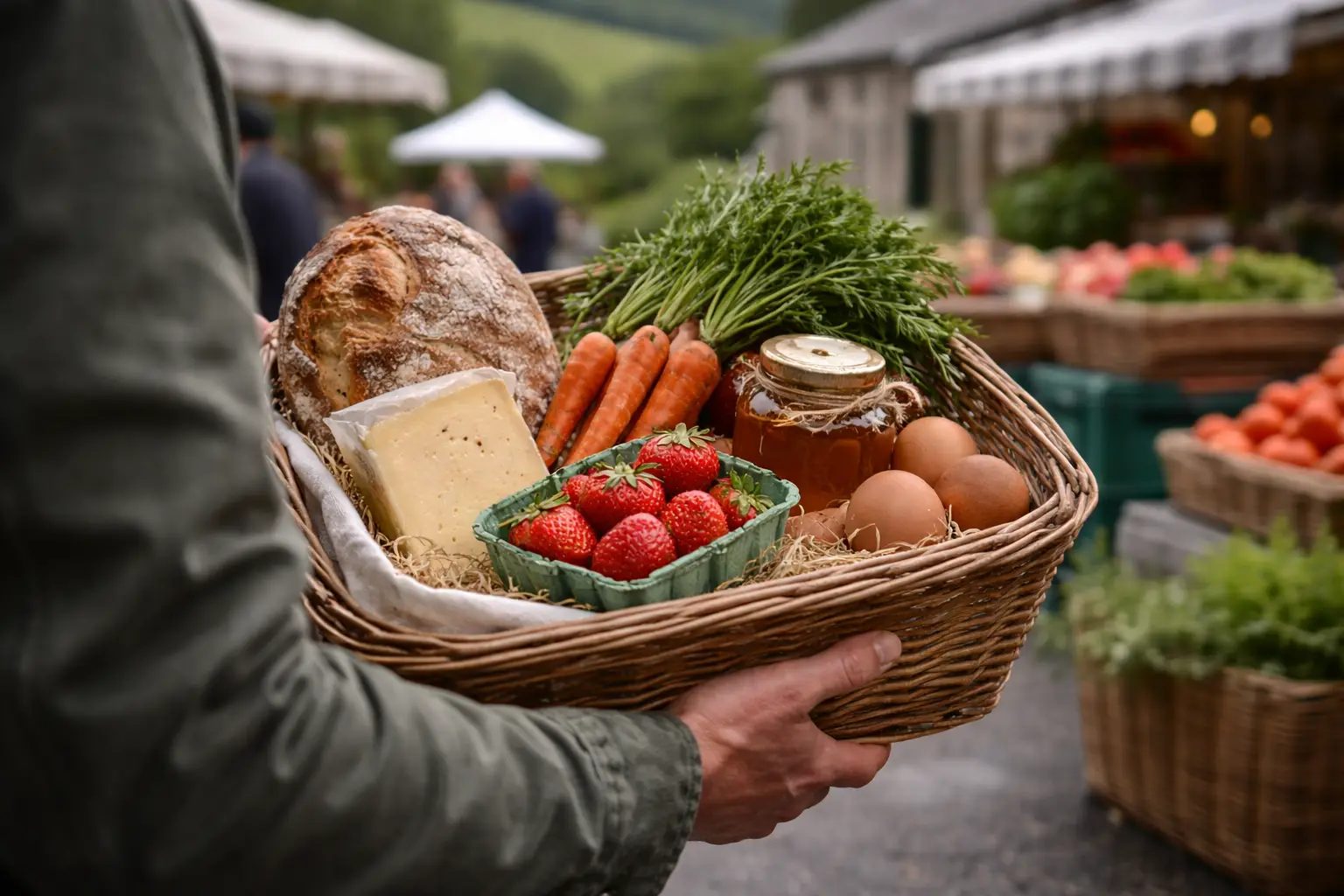
Buying local food in Wales is easier when you can find producers quickly, understand what they make, and know where to check the latest details. Local Welsh Food is built for that: you browse by product category and by county, open a producer listing, and then use the producer’s own public pages to decide what to buy and how to get it.
If you already know what you want, start with Categories. It’s the quickest way to get from “I fancy something local” to a shortlist you can actually use. Bakery, dairy, honey, preserves, meat, seafood, and local drinks are all good starting points, and you can jump between categories as you browse. When a listing looks promising, open it and follow the verified links to the producer’s website or social pages. Those pages are where you’ll usually find the most up-to-date information about what’s in stock, whether orders are open, and any changes to opening times.
If you want to stay close to home, use County pages to narrow the list. This is helpful whether you’re trying to shop locally week to week, planning a weekend trip, or simply exploring what your area is good at. Different parts of Wales tend to have different strengths — coastal counties often look different from inland ones — and browsing by county makes those patterns easy to spot without needing any specialist knowledge.
Each listing begins with an official baseline record in the Food Hygiene Rating Scheme (FHRS), run by the Food Standards Agency in partnership with local authorities. The FHRS dataset includes hygiene ratings and business details held on behalf of local authorities, which gives the directory a consistent starting point. From there, we link out to the producer’s own public pages for the most current day-to-day details.
Local Welsh Food doesn’t try to replace the producer’s own pages. It’s there to help you discover producers and reach official public information quickly. If you notice something that looks out of date, you can send a correction with a public source and the date you checked it, and it’ll be updated in the next refresh.