A comprehensive guide to Welsh seafood: Coastal specialities, local delicacies and the best of Wales’ waters
By Paul Lucas
From iconic laverbread and cockles to premium shellfish, mussels and sustainable fish, Welsh seafood is one of the country’s most distinctive and celebrated food traditions.
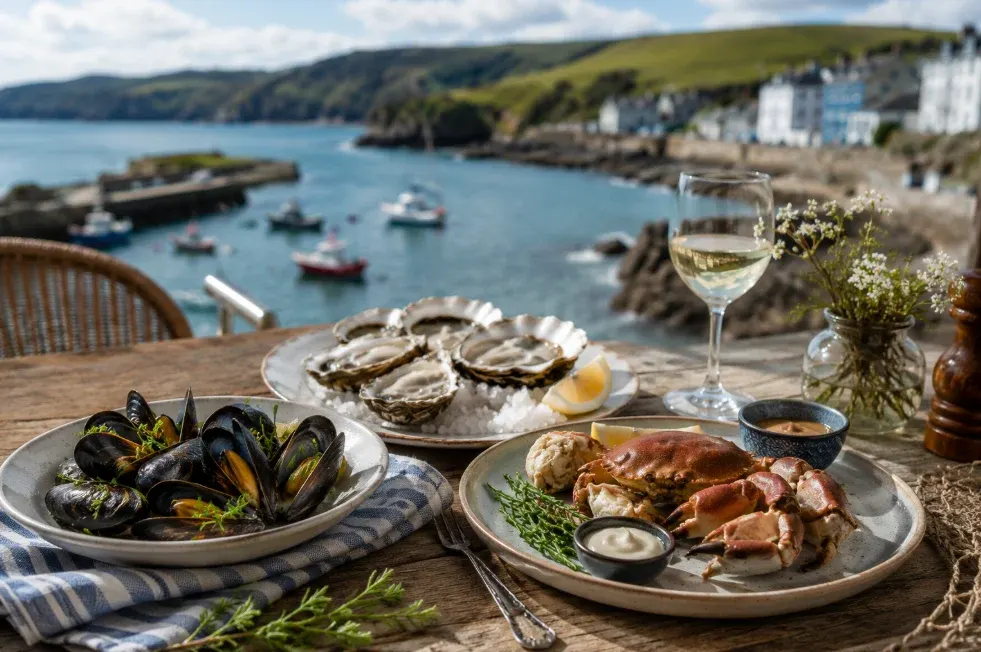
Editorial image generated with AI.
Wales’ coastline has shaped a remarkable seafood heritage
With more than 1,600 miles of coastline, Wales possesses some of the richest and most diverse seafood resources in the United Kingdom.
Its coastal waters, estuaries and tidal zones have supported fishing communities for centuries, with seafood deeply embedded in local economies, cultural traditions and regional diets.
From the shellfish beds of South Wales to the mussel fisheries of North Wales and the lobster-rich waters of Pembrokeshire, Welsh seafood is both geographically diverse and highly regarded for quality.
The relationship between Welsh communities and the sea has produced a food culture centred on freshness, sustainability and strong local identity.
Cockles and laverbread remain Wales’ most iconic seafood pairing
Among Wales’ most famous traditional foods are cockles and laverbread, particularly associated with Swansea and the Gower Peninsula.
Cockles, small edible shellfish harvested from Welsh shores for generations, are often served fresh, pickled or as part of a traditional Welsh breakfast.
Laverbread, made from edible seaweed (laver) that is boiled and processed into a rich, mineral-packed purée, is one of Wales’ most distinctive foods. Sometimes referred to as “Welshman’s caviar,” it has been consumed in Wales since at least the 17th century.
Combined, cockles and laverbread remain one of the country’s most culturally significant seafood traditions.
Menai mussels have become a flagship Welsh seafood export
North Wales’ Menai Strait is home to one of the UK’s most important mussel industries, producing a significant proportion of Britain’s mussels.
Menai mussels are prized for their sweet flavour, freshness and quality, benefiting from the unique tidal and environmental conditions of the strait.
These mussels are increasingly recognised not only across Wales but also in wider UK and export markets, contributing significantly to Welsh seafood’s premium reputation.
Welsh oysters, lobster and crab offer luxury coastal produce
Beyond traditional staples, Wales also produces high-quality oysters, lobster and crab, particularly in regions such as Cardigan Bay, Pembrokeshire and Anglesey.
These products are increasingly important to food tourism, hospitality and premium seafood markets, with many Welsh producers emphasising sustainability and traceable sourcing.
The rise of coastal restaurants, seafood festivals and independent fishmongers has further elevated Welsh shellfish as a major culinary draw.
Sustainability is shaping the future of Welsh seafood
Modern Welsh seafood production increasingly prioritises environmental stewardship, sustainable fisheries management and responsible harvesting.
As consumer demand for traceable and ethical seafood continues to grow, Welsh fisheries are well positioned to meet these expectations through shorter supply chains and strong regional identity.
This focus on sustainability not only supports marine ecosystems but also strengthens confidence in Welsh seafood among increasingly conscious consumers.
Where to discover the best Welsh seafood
Seafood markets, independent fishmongers, harbour towns and coastal food festivals across Wales provide excellent opportunities to experience the country’s seafood culture.
Popular destinations include:
Swansea and the Gower for cockles and laverbread
Anglesey for mussels and lobster
Pembrokeshire for crab, fish and shellfish
Cardigan Bay for premium coastal produce
Exploring these areas offers a direct connection to Wales’ coastal food heritage.
Welsh seafood remains one of Britain’s great culinary assets
Welsh seafood combines centuries of tradition with modern sustainability, regional pride and exceptional natural resources.
Whether enjoying a traditional breakfast of cockles and laverbread or sampling premium shellfish from coastal waters, Welsh seafood offers one of the most authentic and distinctive ways to experience the country’s food culture.
For anyone exploring Welsh food, seafood is not simply an option — it is an essential part of understanding Wales itself.
Sources:
Visit Wales seafood guides
Welsh Government fisheries and food resources
Menai Strait fisheries information
Traditional Welsh food heritage archives